
The Elephant Medical Facility at ENP
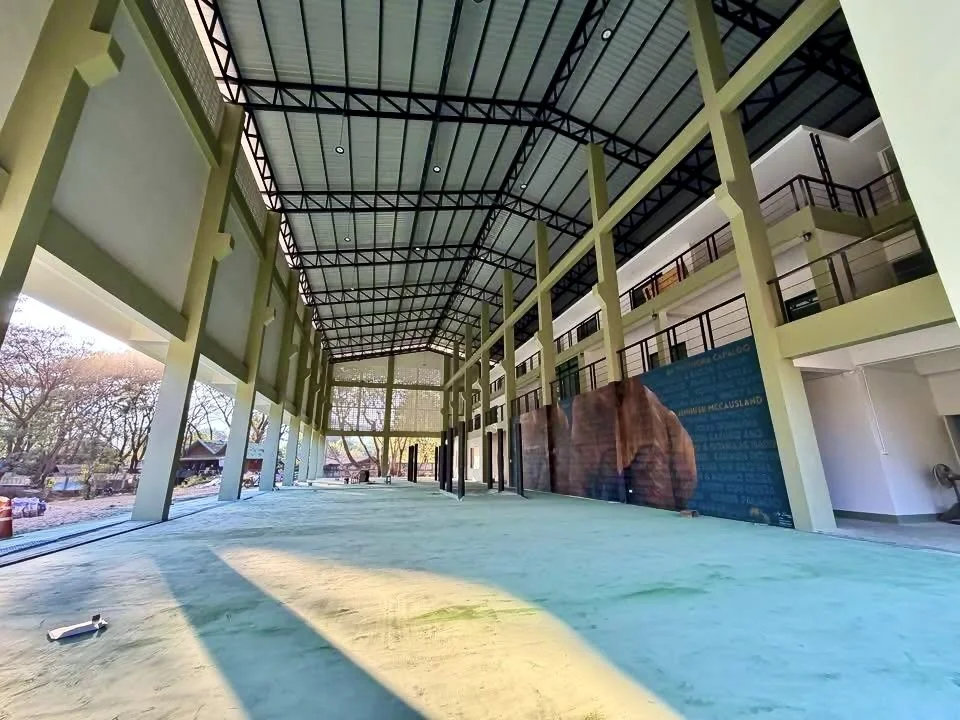
Image: SEF
What is it?
After many months of construction, the new Elephant Medical Facility of Save Elephant Foundation (SEF) was completed in March 2026, thanks to an incredible fundraising campaign by Trunks Up. This ground-breaking medical building is one of the first of its kind and was designed entirely around the needs of SEF’s veterinary team, who apply years of hands-on experience caring for elephants.
The facility includes a full range of medical spaces: a medical laboratory, operating and treatment rooms, a sterile room, an X-ray room, a hydrotherapy pool, a veterinary research office, a pharmacy, a library, a conference and seminar room, and resting quarters both for sick or recovering elephants and for mahouts who must stay close to the elephants during times of illness.
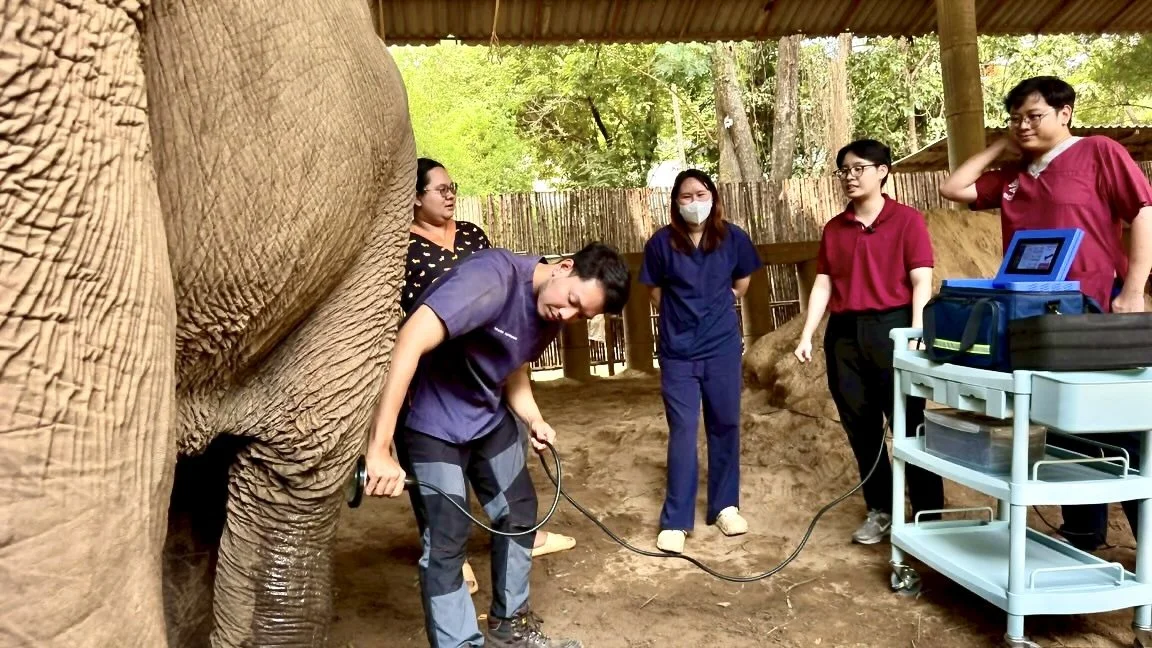
Image: SEF
Why your donation is important?
While the facility is complete, the fit-out and installation of equipment requires further support, as does the on-going provisioning of drugs and other consumables.
Your donations will go towards the multi-faceted equipment needs of the facility, including things such as x-ray and other diagnostic tools, surgical and anaesthetics equipment, cranes for lifting injured elephants, prosthetics, medical supplies, and pharmaceuticals.
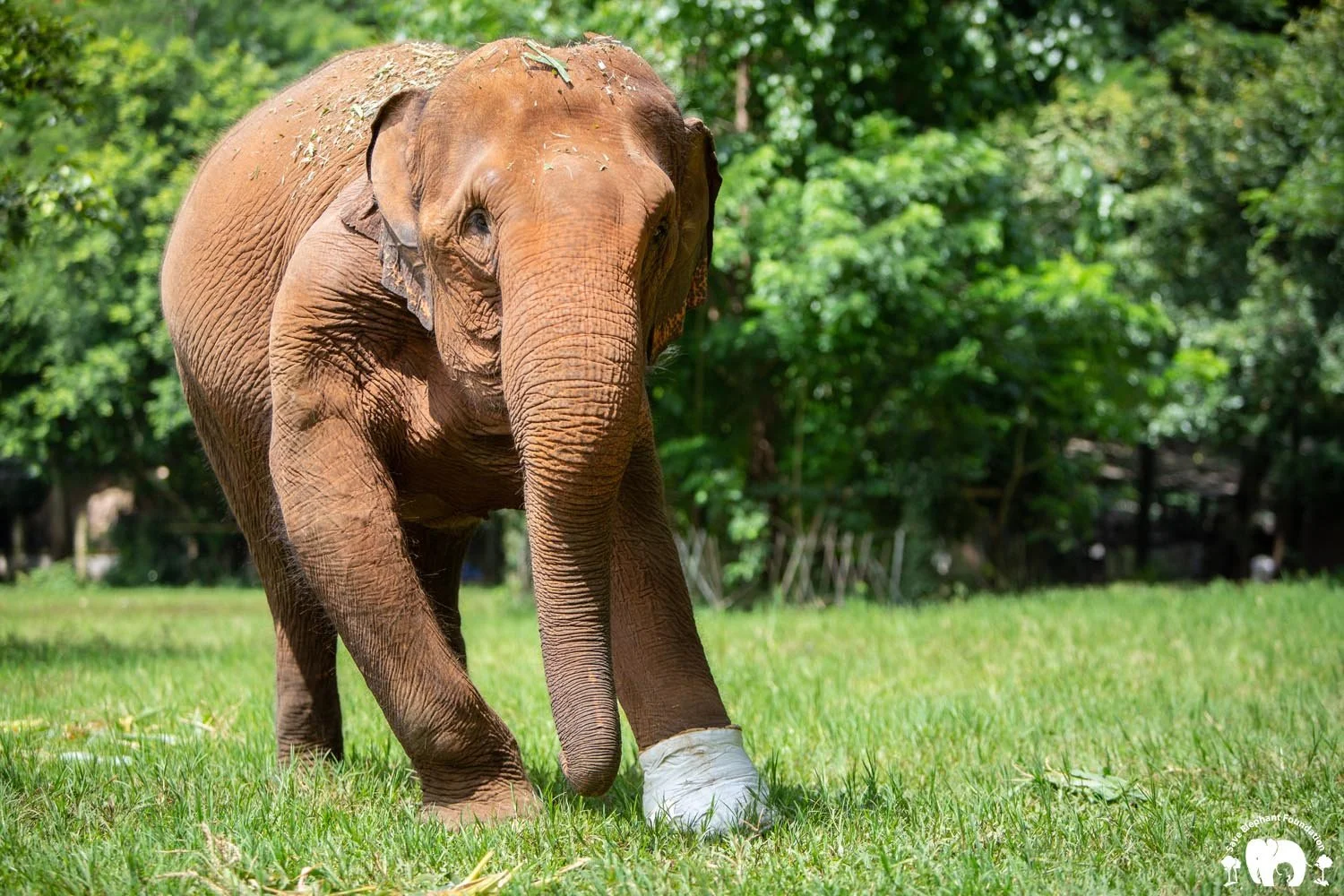
Above: Thai Koon, ENP rescue whose front legs were injured by a landmine (Image - SEF)
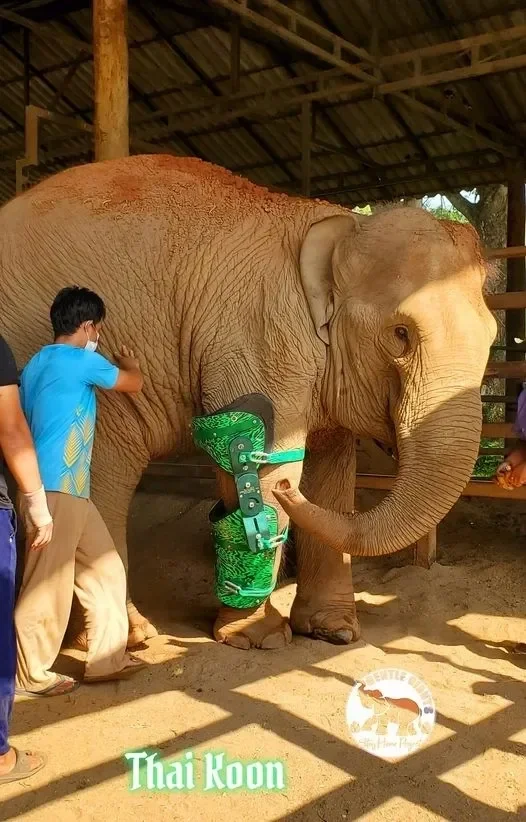
Below: Thai Koon being fitted with a unique prosthetic through a partnership with Bionic Pets (Image - Gentle Giants
Why is this facility critical?
The ‘park’ in Elephant Nature Park (ENP) is a bit if a misnomer. ENP is an elephant rescue and rehabilitation centre, where rescued elephants receive the care they need and are given as close to a ‘wild life’ as possible. In recent years - particularly during and after COVID, there has been a significant increase in the number of elephant rescues, and expanding the medical facilities available is critical to making these rescues a success.
Rescues arrive with a complex set of physical and psychological needs based on their histories. They are often injured due to a life spent logging or performing for tourists in circuses (where the lighting can sometimes lead to blindness), or working in riding camps. Minor injuries often become long-term disabilities due to lack of proper treatment. Malnourishment and poor care are common (many elephants spend long hours chained in one place with no ability to roam).
They are almost always mentally traumatised due to the forced separation from their herds, forced breeding, having their calves taken away and sold into other tourism operation, and general mistreatment.
Care for all elephants…
Not only will the new Elephant Medical Facility allow for the treatment and long-term care of new and current residents of Elephant Nature Park (ENP), but the facility will be open to elephants needing care from across the surrounding community.
There remain thousands of elephants in captivity - whether that captivity occurs under ethical conditions or not - who can greatly benefit from the highly advanced care they can receive att ENP.
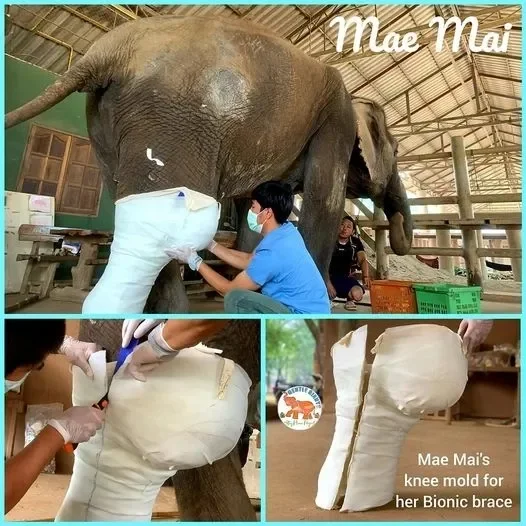
Mae Mai, ENP rescue whose leg was broken while logging , being treated and fitted for a prosthetic made by the fabulous team at Bionic Pets and enabled by the Gentle Giants programme (Image - Gentle Giants)